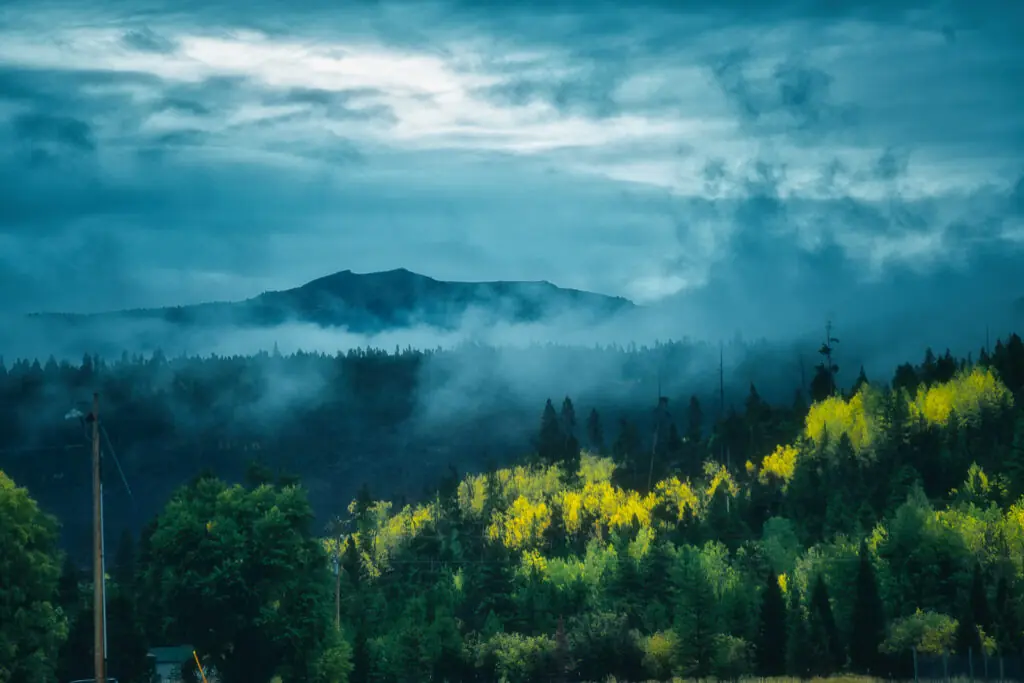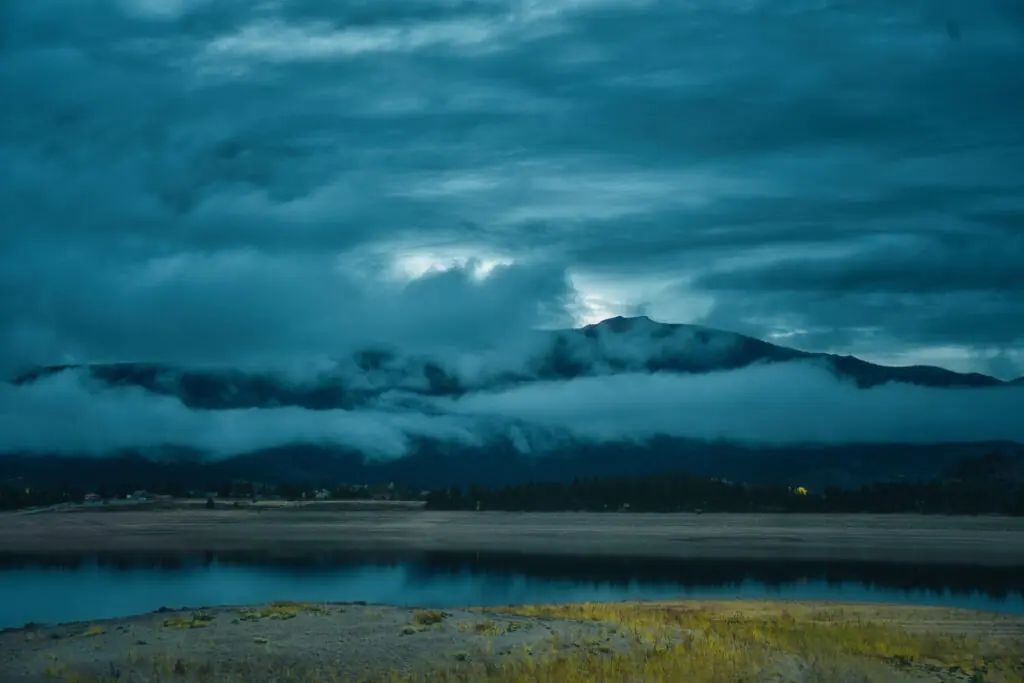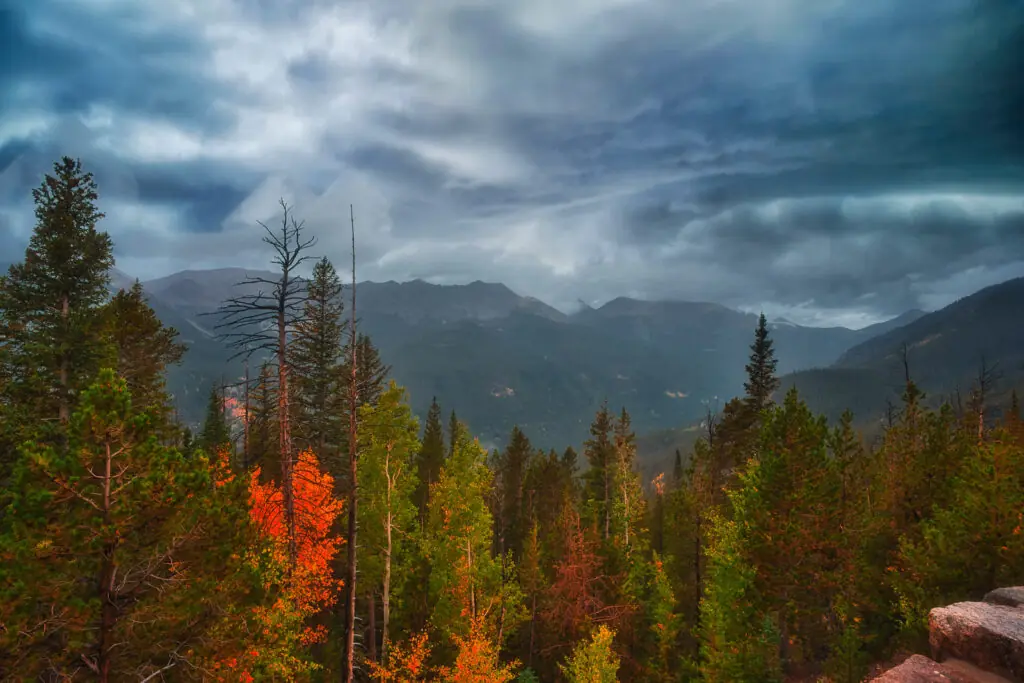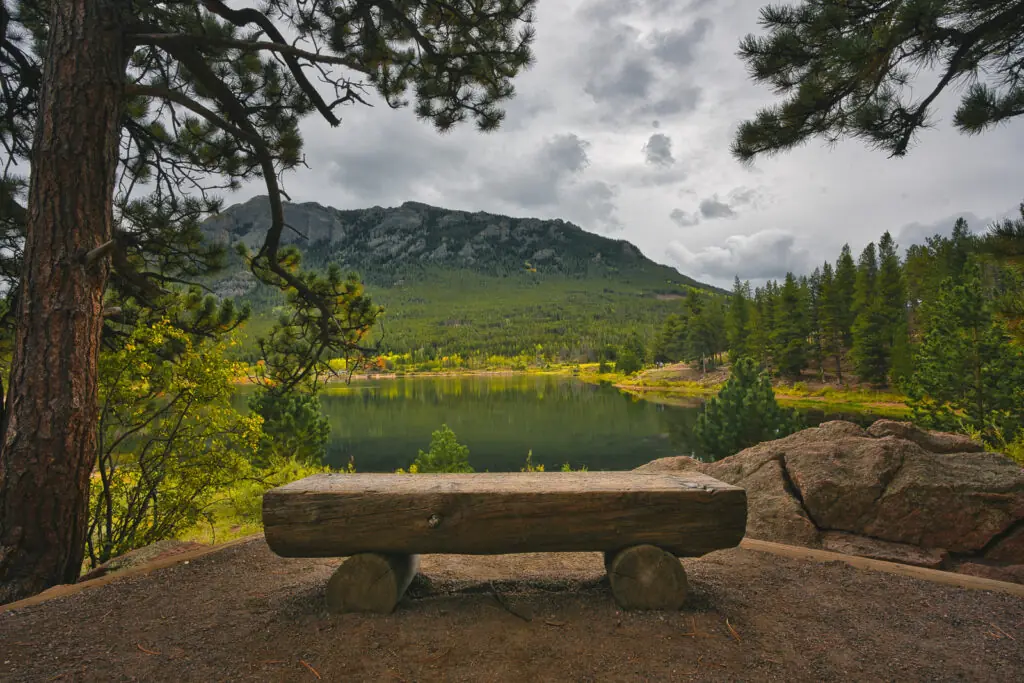
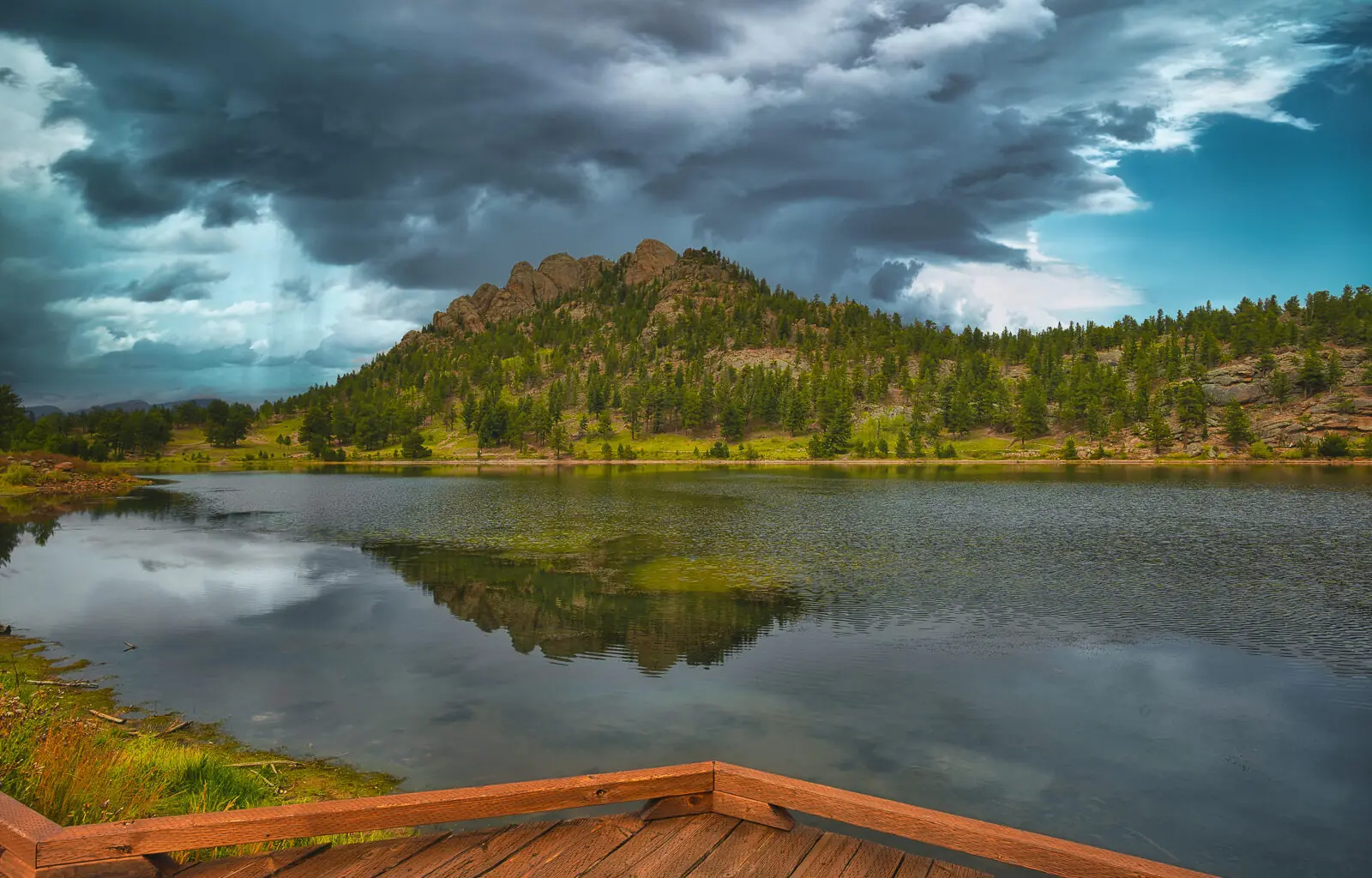
I didn't finish the itinerary. Best trip I've had in years.
The short version
A slow three days in the Colorado mountains, and why the stops I skipped mattered more than the ones I hit.
In this post
I planned this trip the way I plan most things. A notes app, a list of stops, little circles waiting to get checked. By the time we flew home, most of those circles were filled in. A few weren’t. And honestly, the ones we left empty taught me more than the ones we finished.
This isn’t a perfect Colorado road trip itinerary. It’s the real one. Here’s what three days in the mountains looked like, what I noticed with a camera in my hand, and why I came home feeling more like a creative than I had in months.
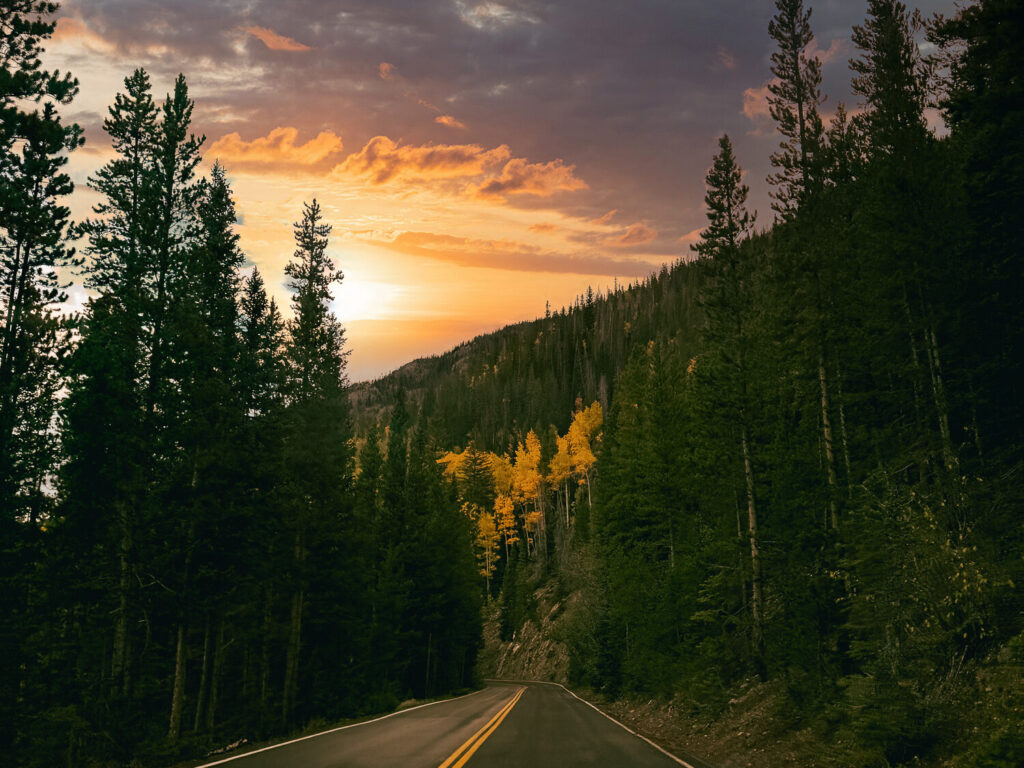
Day One: Denver to Breckenridge
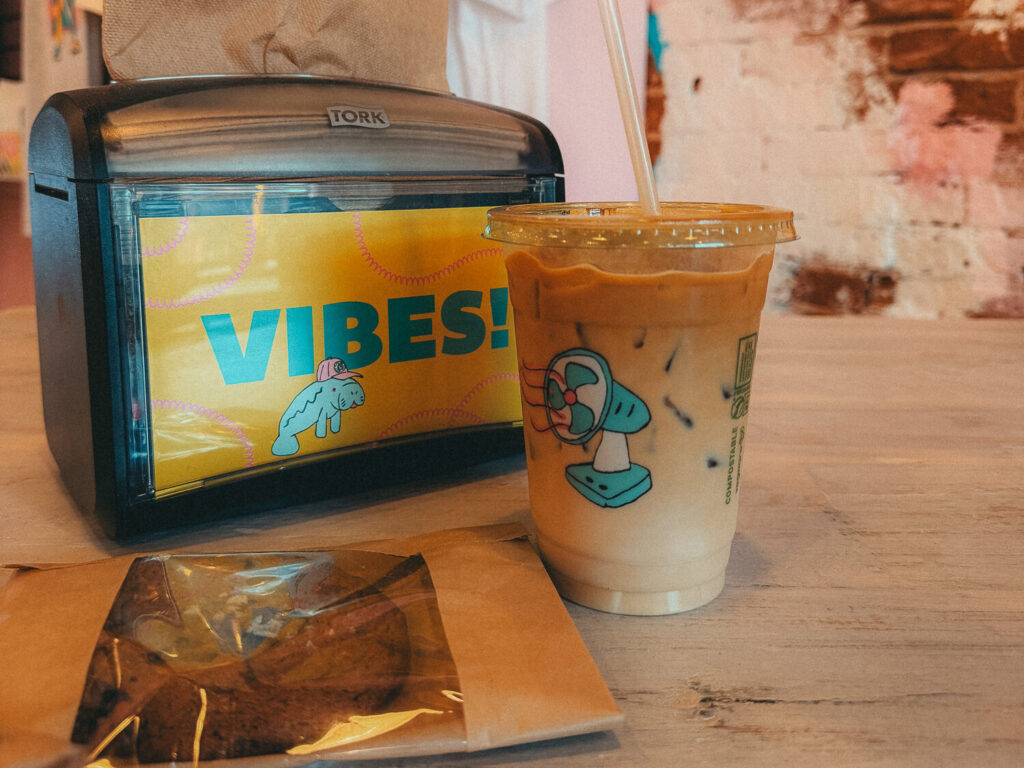
Bagels first, plans second
We landed in Denver a little after 8am, grabbed the rental car around 10, and went straight to Call Your Mother for bagels. That was the first real decision of the trip, and it set the tone. Eat well. Don’t rush.
I’ve noticed this about creative work too. The first move on a project usually sets the energy for everything after it. Start frantic and you stay frantic. Start with a good bagel and you’ve got a shot.
The stop we skipped
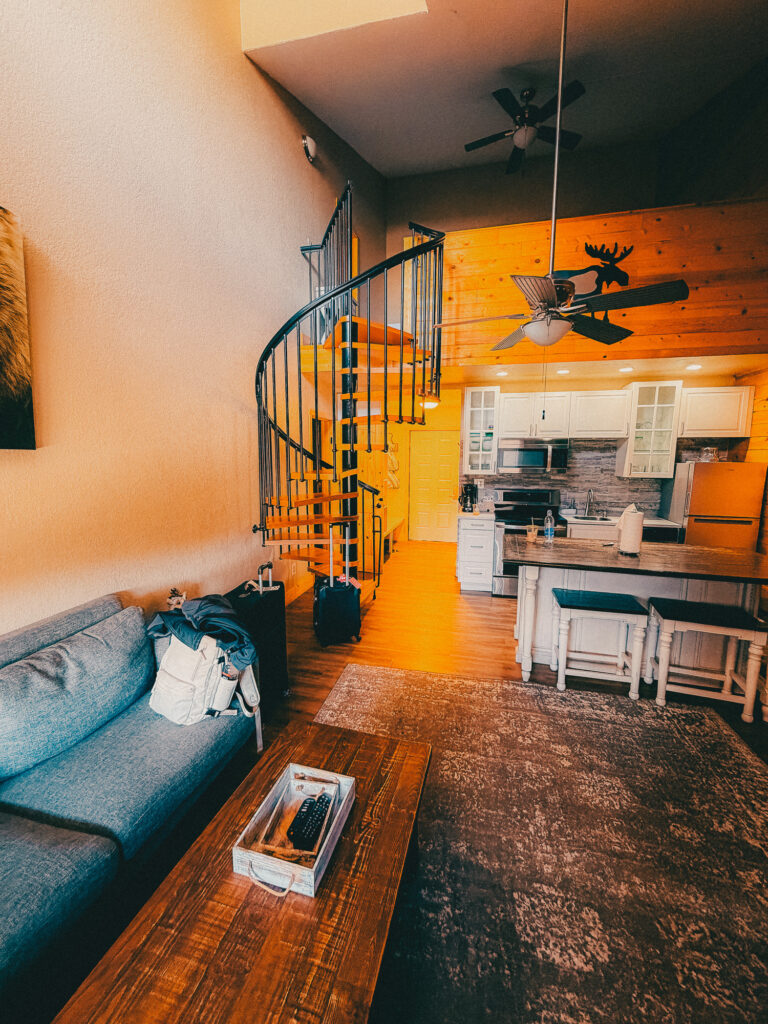
Red Rocks Amphitheatre was on the list. We didn’t go. The drive up to the Airbnb in Granby was about two hours, check in was at 1pm, and something in me just said keep moving toward the mountains.
I used to feel guilty about skipping things like that. Now I see it as editing. Every good design has stuff that got cut. The trip was better with a little white space in it.
Breckenridge and the wooden troll: a lesson in scale
After checking in, we drove about an hour and a half to Frisco, then 17 minutes over to Breckenridge to find the giant wooden troll.
If you’ve never seen it, it’s massive. And the funny thing is, photos of it online never really hit. You need a person in the frame. Without something to compare it to, it’s just wood in the woods. Put someone next to it and suddenly it’s a story.
That’s scale, and it’s one of the first things I tell people about branding too. A logo means nothing floating alone on a white artboard. Show it on a shirt, a storefront, a coffee cup, and now people can feel it.
Day Two: Rocky Mountain National Park
Letting the park set the pace
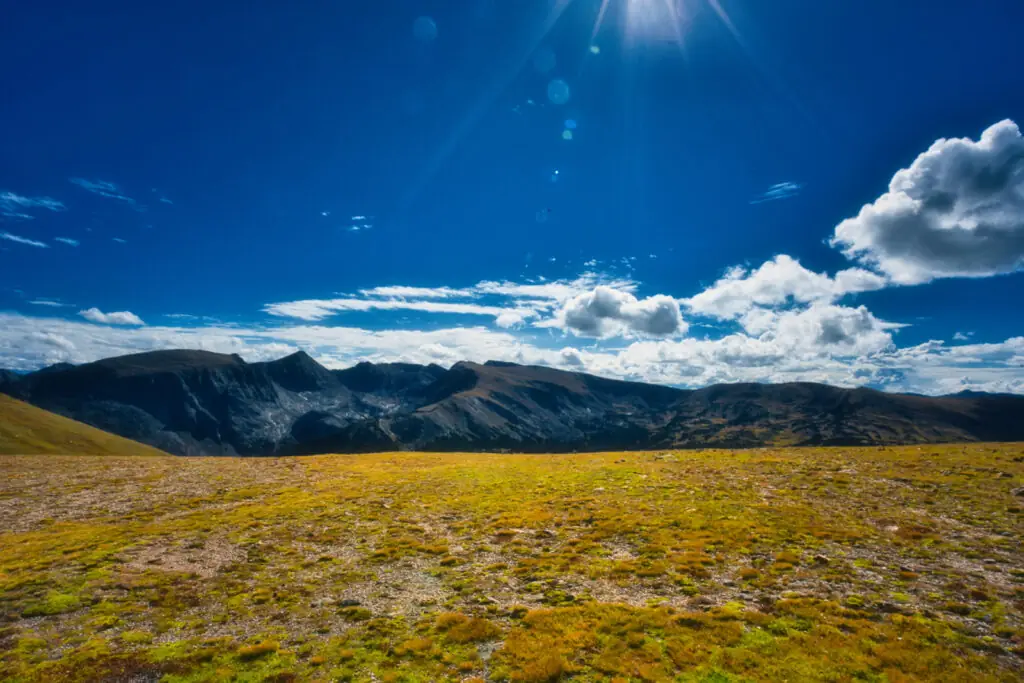
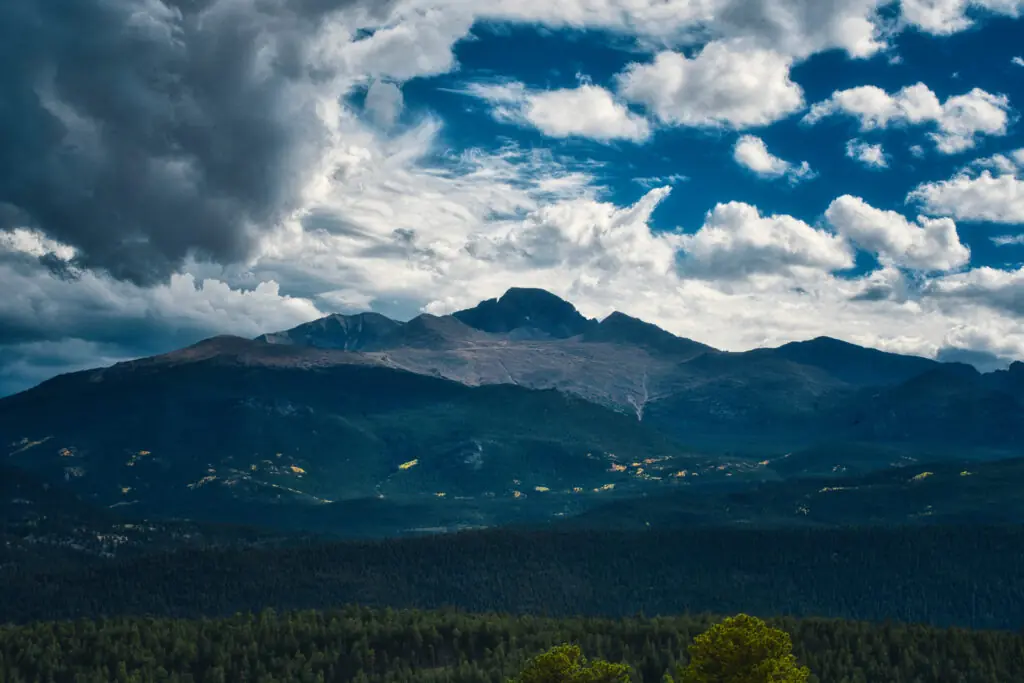
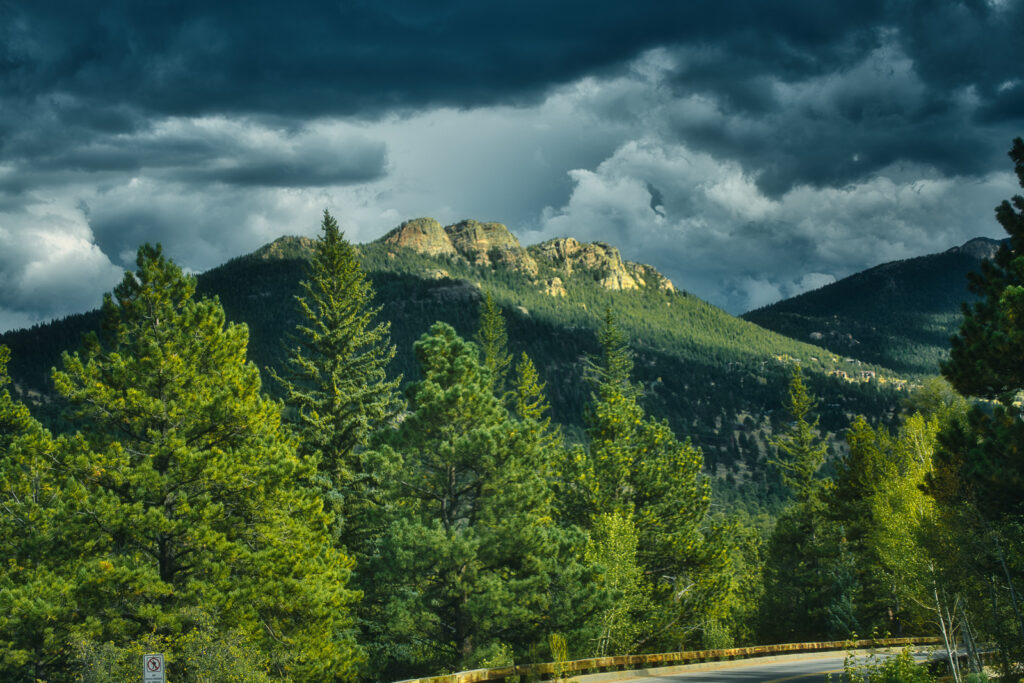
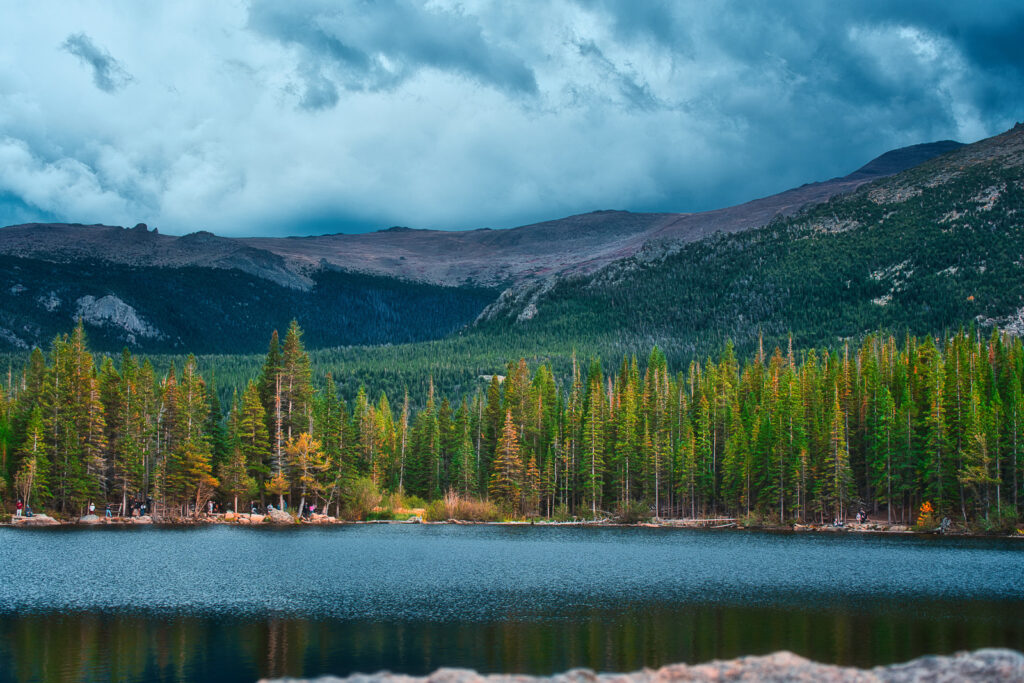
Thursday was about a two hour drive to Rocky Mountain National Park. My note for the day just said “explore park.” That was on purpose.
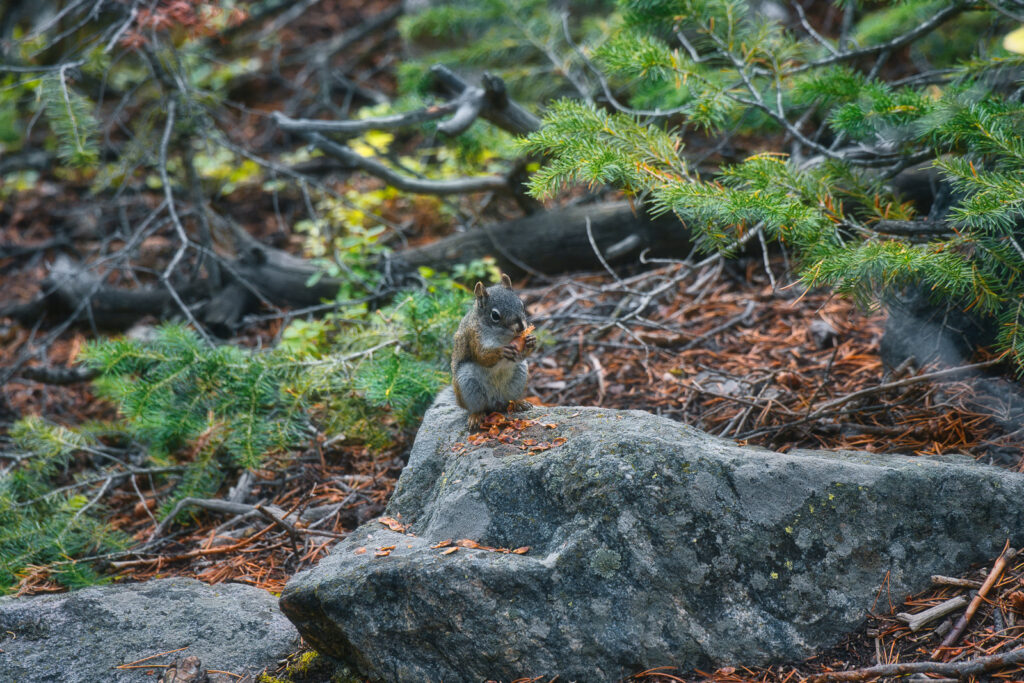
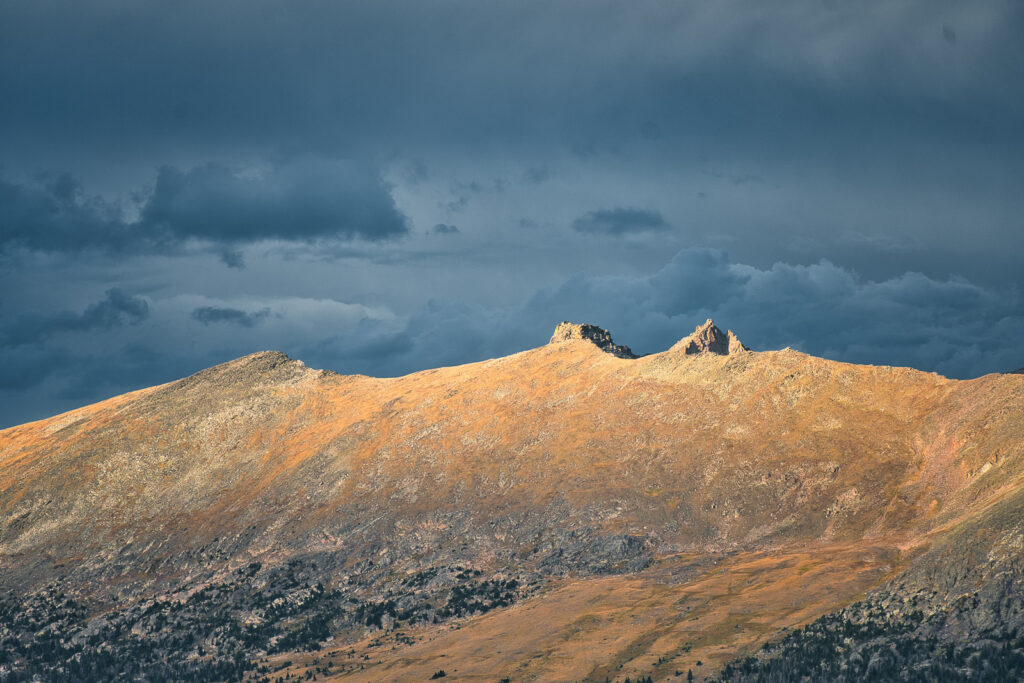
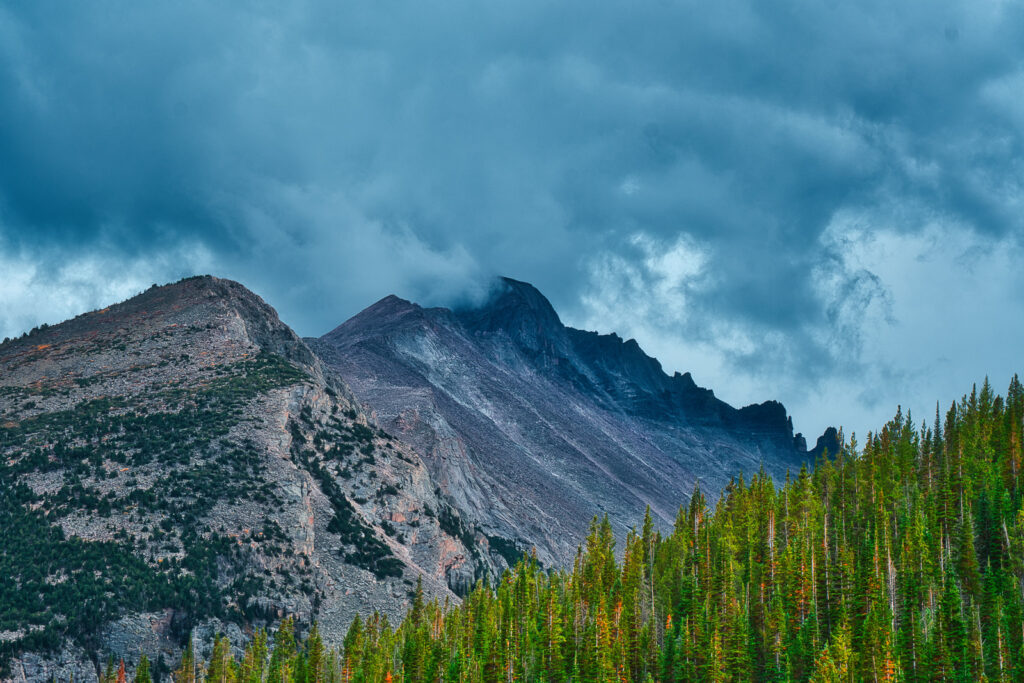
I didn’t bring a shot list. I wanted to see what I’d point the camera at when nobody was paying me to point it anywhere. Turns out it was mostly texture. Bark, rock, grass moving in the wind, the way light breaks apart on a ridge. Quiet stuff. The kind of detail that ends up in a brand’s background imagery and makes the whole thing feel real.
Estes Park from above
We finished the day in Estes Park and rode the gondola up. From the top, the town looks like a little model, all rooftops and roads lined up in a grid.
I always tell younger designers to zoom out on their work. Step back from the screen. Look at the whole layout from across the room. Riding up that gondola was the real life version of that. Everything made more sense from up there.
Day Three: Grand Lake and Bear Lake
The Adams Falls trail is short, so slow down
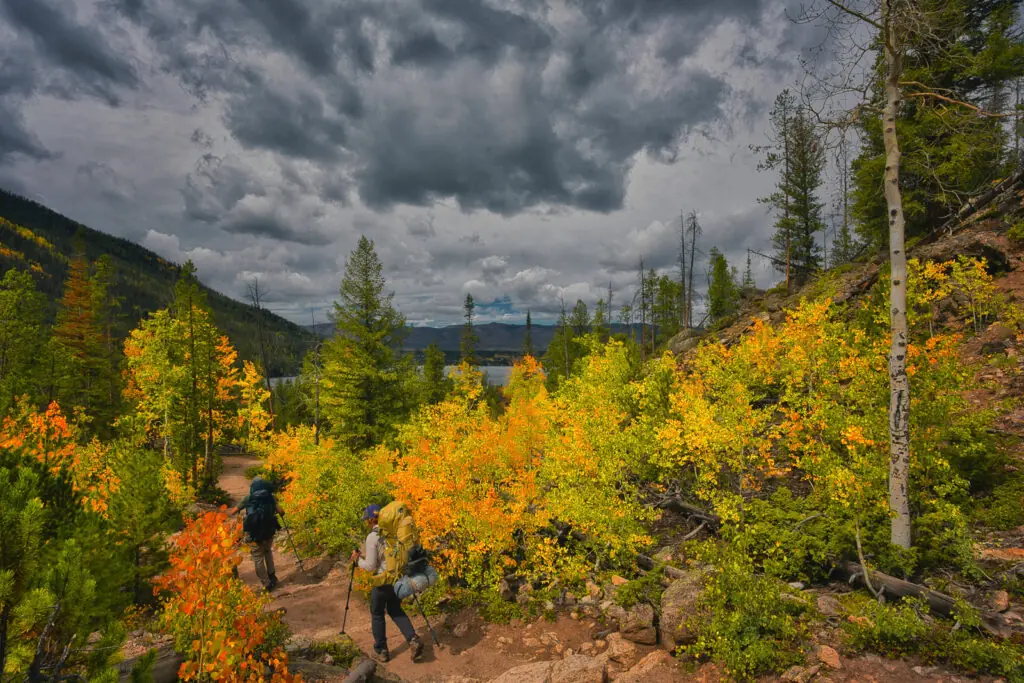
Friday started with a 30 minute drive to the Adams Falls trail. It’s under a mile, with a waterfall at the end. Easy walk. Big payoff.
Short trails are a trap for photographers, though. Because it’s quick, you’re tempted to just walk to the waterfall, snap it and leave. The better frames were on the way there. The trail itself, the light through the trees, people coming back down.
Same thing happens with client shoots. The hero shot matters, but the in-between moments are usually where the feeling lives.
Grand Lake’s boardwalk is a color study
After coffee at Big Horn Bakery, we spent the late morning walking the shops and the boardwalk village in Grand Lake. Wooden storefronts, painted signs, old western type. As a designer, I was in my element.
None of those signs were designed to trend. They were built to last and to be read from across the street. Hand painted lettering, simple color, clear hierarchy. Plenty of modern brands could learn from a small town boardwalk.
Bear Lake Colorado in the afternoon
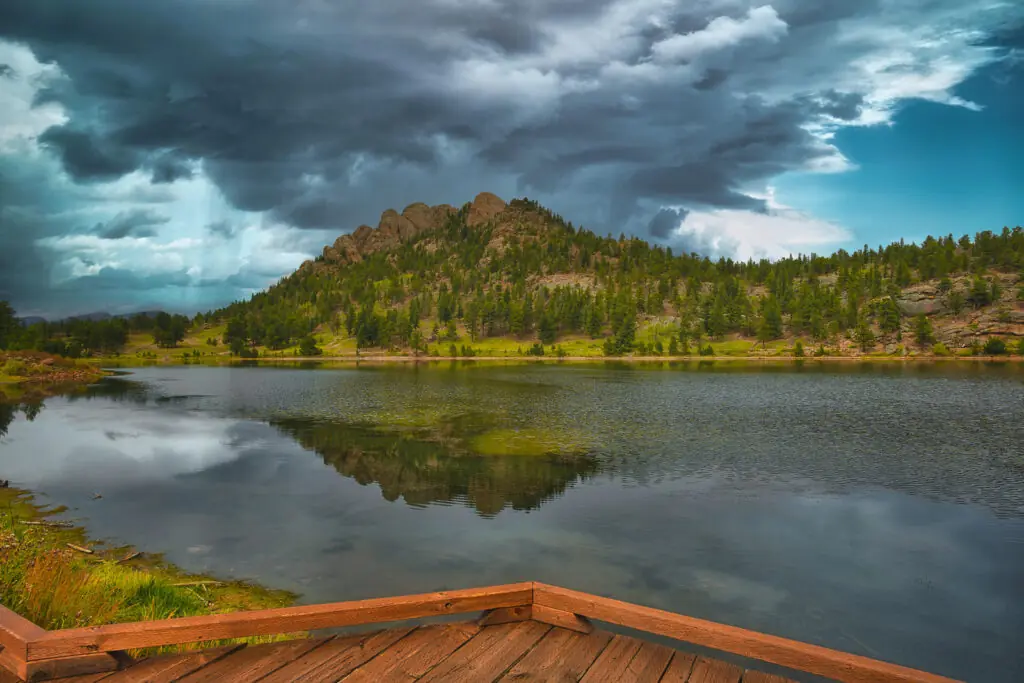
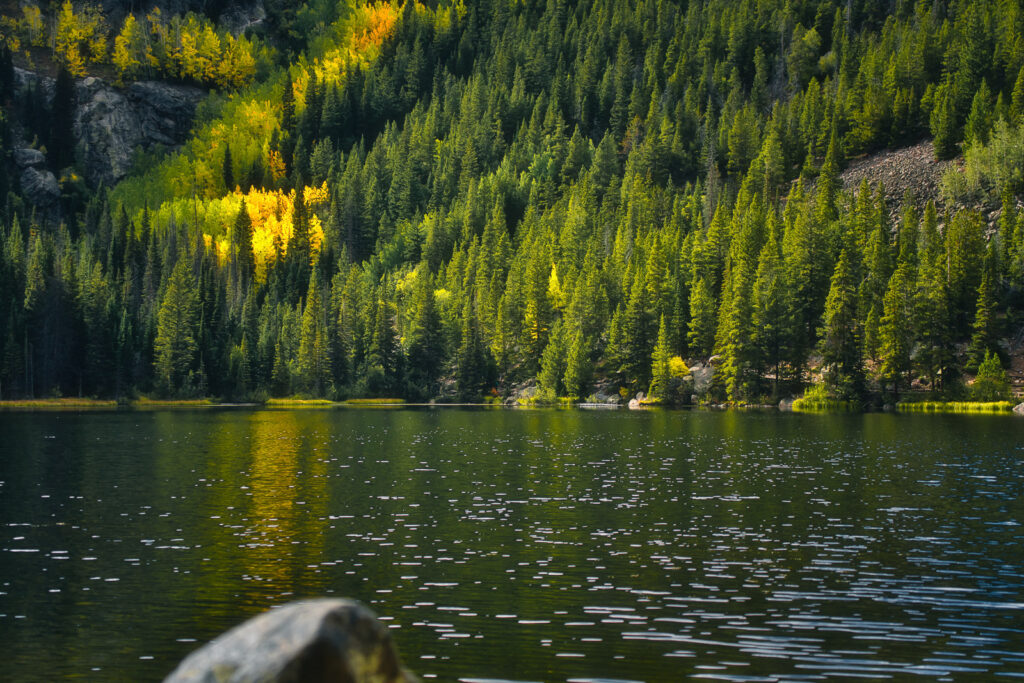
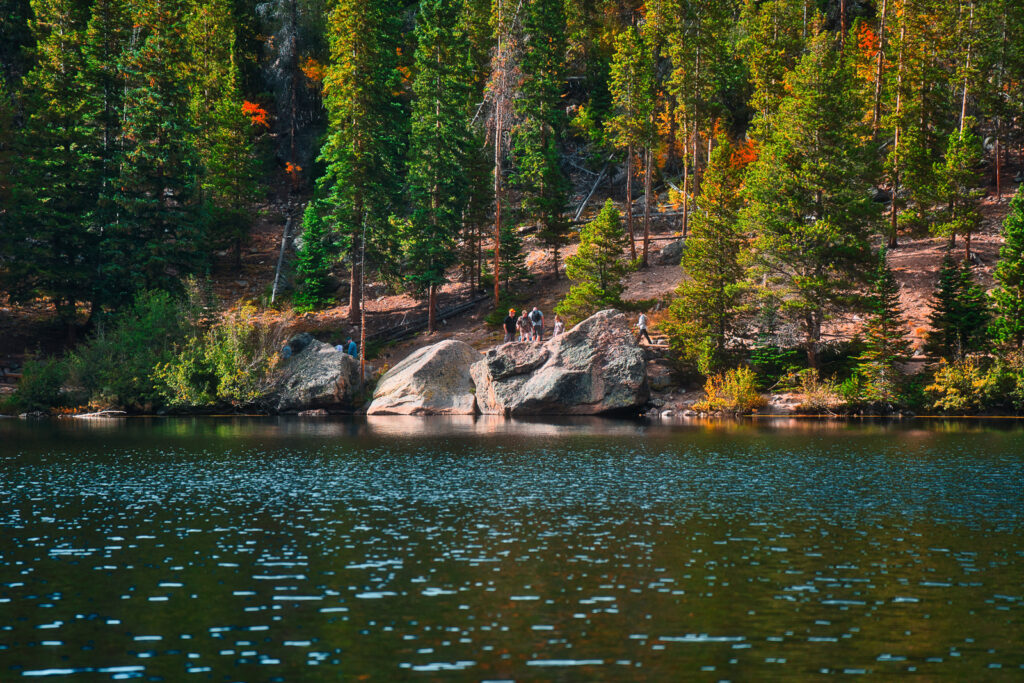
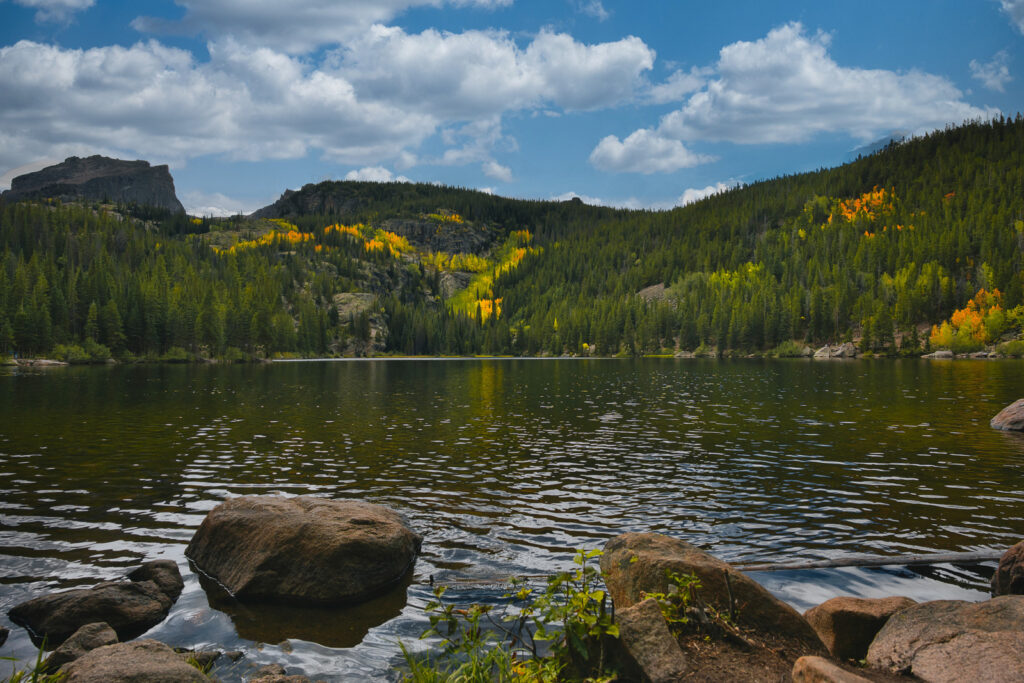
We got to Bear Lake around 4pm. Mid September afternoon light in the mountains is soft and a little warm, and it lays across the water in a way that makes everything look calm.
I didn’t shoot much here. I mostly sat. Sometimes the best thing you can do for your eye is let it rest on something good for a while without trying to capture it.
What the Unchecked Boxes Taught Me About Creative Rest
Shadow Mountain Lake and the stars we missed
We never made it to the Shadow Mountain Lake shoreline. We also skipped stargazing in the Kawuneeche Valley that night. And Saturday morning’s bakery run didn’t happen either. We stopped in Winter Park on the way back to the airport and called it a trip.
I could look at that list and see what we missed. I’d rather look at it and see that we were tired in the good way, the kind you only get from being fully present all day.
Why leaving room matters for creatives
Most of us treat rest like another task to complete. Book the trip, hit every spot, post every photo, come home more drained than when we left.
This trip reminded me that rest works the same way good design does. It needs space. Leave a few circles unchecked. That’s usually where the next idea shows up anyway.
Is a Colorado Road Trip Worth It for Creators?
Yes, and you don’t need a week to make it count. Three days from Denver gets you mountain towns, a national park, lakes and waterfalls, all within a few hours of driving. Pack one camera, plan loosely, and give yourself permission to skip a stop or two.
If you’re a designer, photographer or filmmaker feeling stuck, go somewhere that makes you look up. You’ll come home seeing your own work a little differently. I did.