
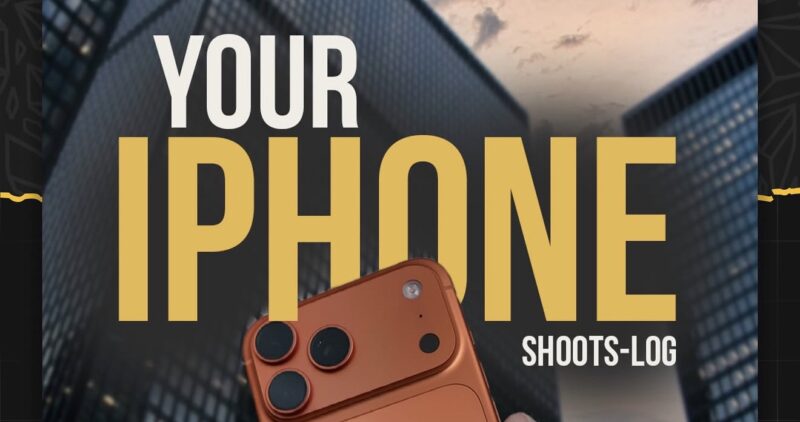
The best shots I’ve missed weren’t missed because of gear. They were missed because the camera was at home, sitting in a bag that felt too heavy to grab.
This month the Ricoh GR turns 30, and it got me thinking about why that little camera still has such a loyal crowd. It’s not the specs. It’s that people actually carry it. So this one is about my creator everyday carry, the habit of carrying less, and why it ends up making you shoot more. And if all you’ve got right now is a phone? Good. That’s honestly the best place to start.
Why a Lighter Everyday Carry Makes You a Better Creator
A lighter kit gets used more, and using it more is how you get better. That’s the whole idea. Everything else is details.
1. The best camera is the one you actually bring
You’ve heard it before, but it’s true. A camera you love that stays home loses to an okay camera that’s in your hand when the light hits right. I’ve watched it happen to myself plenty of times.
2. Less gear means more attention
When I’m carrying a full kit, part of my brain is always managing it. Which lens, which bag, is everything charged. When I’m carrying light, that space opens up and I start noticing things. A shadow on a wall. A good color combo on a storefront. That’s where ideas come from.
3. Small kits keep you curious
A minimalist camera setup puts limits on you, and limits are good for creative work. A phone with one main lens makes you move your feet. A small sensor makes you look for better light. You stop relying on the gear and start relying on your eye.
What’s in My Creator Everyday Carry
My everyday carry is pretty simple: my phone, a small sling, and only the extras I’ll actually use that day.
1. The phone does more than people give it credit for
My iPhone 17 is on me all the time, so it’s my everyday carry camera by default. For quick references, color notes, textures, and b-roll ideas, it’s more than enough. I use it like a sketchbook. Not every shot has to be the final shot. If a phone is all you have, you’re not behind. You’re carrying the same everyday camera I am.
2. A small sling keeps me honest
I carry a Peak Design Sling 10L. It’s small on purpose. If something doesn’t fit, it doesn’t come. That one rule has saved me from hauling stuff around all day that never leaves the bag.
3. The extras rotate, the core stays
The core is the phone, the sling, and a charger. Everything else depends on the day. Shooting a client job? The real gear comes. Walking around the city on a Sunday? The phone is plenty.
Daily Habits That Help You Shoot More Photos
A small kit only works if you build a few easy habits around it. None of this is complicated. It just takes doing it most days.
1. Pack the night before
I set the bag by the door before bed. In the morning I grab it without thinking. If deciding what to bring feels like a chore, you’ll end up bringing nothing.
2. Give yourself one small assignment
Pick one thing to look for that day. Reflections. The color red. Hands. It sounds simple, but it turns a regular errand into a little photo walk, and you come home with something.
3. Review at the end of the day
Before bed I scroll through what I shot and pick one or two keepers. That’s it. It keeps my camera roll from turning into a junk drawer, and over time I start to see what I’m drawn to.
4. Keep your gear in one spot
I keep everything organized in a big tool chest, old habit from my mechanic days. Every piece has a drawer. When gear has a home, grabbing it is fast and putting it back is automatic. Even if your whole kit is a phone and a charger, give it a spot.
Phone Photography Tips for Beginners
Your phone can do way more than most people ask of it. A few simple moves will make your shots look like you meant them.
1. Wipe the lens first
This sounds too simple, but a smudgy lens is the number one reason phone photos look soft and hazy. Your phone lives in your pocket and your hands. Give it a quick wipe with your shirt before you shoot.
2. Stick to the main lens
Your phone’s main camera (the 1x) is usually its best one. Pinch-zooming past the other lenses just crops the image and throws away quality. Walk closer instead.
3. Tap to focus, then slide for brightness
Tap on your subject to focus, then slide your finger up or down to make the shot brighter or darker. Going a little darker often keeps the colors rich and the highlights from blowing out.
4. Turn on the grid
The grid lives in your camera settings. It helps you keep lines straight and place your subject with intention. Once you start noticing composition, you won’t turn it off.
5. Chase good light
Light matters more than the camera. Early morning, late afternoon, a window, a shady spot on a bright day. Find the light first, then find the shot.
6. Edit simple
Free apps like Snapseed or the free version of Lightroom Mobile are more than enough. Adjust brightness, contrast, and a touch of warmth. Keep it subtle. You want the photo to look like a better version of the moment, not a filter.
When Better Gear Actually Matters
Better gear isn’t the goal. It only matters once you’ve outgrown what you have, and most people starting out haven’t yet. Even for me, the big camera comes out on purpose, not out of habit.
1. Bring it when the job needs it
For client work, my Sony FX3 and A7 IV come out, no question. Clean audio, interchangeable lenses, and files that hold up in the edit matter when someone is paying for the result. That’s a work thing, not a starting thing.
2. Leave it when you’re just living
A coffee run or a walk around the neighborhood doesn’t need a full rig. If you bring it anyway, you’ll either feel weighed down or feel guilty for not using it. Both kill the vibe.
3. Plan the big shoots, wander the small ones
This is the balance I’ve landed on. Big camera days are planned, with a shot list and a reason. Small camera days are loose and open. The loose days feed ideas into the planned ones.
4. Let your phone tell you when to upgrade
Shoot with your phone until it actually stops you. Maybe it struggles in low light, or you want real background blur, or you’re getting paid and the client needs more. Then you’ll know exactly what to buy and why. Buying gear before that point usually just means a nicer camera sitting in a drawer.
How to Spark Creative Ideas When You’re Just Starting Out
If you’re new, ideas can feel like something other people just have. They’re not. Ideas come from paying attention, and that’s a skill you can build with just your phone and a little routine.
1. Steal the feeling, not the photo
When something you see online hits you, ask why. Is it the color, the mood, the angle, the timing? Write that down and go chase that feeling in your own neighborhood. Copying the shot teaches you a little. Figuring out the feeling teaches you a lot.
2. Keep a running idea list on your phone
One note, always open. A song lyric, a sign you liked, a color combo, a weird thought in the shower. Most of it won’t go anywhere, and that’s fine. When you sit down to create, you’ll have a pile to pull from instead of a blank screen.
3. Shoot boring places on purpose
A parking lot, your kitchen, the bus stop. When the place isn’t exciting, you’re forced to find the interesting part yourself. That’s the exact muscle that makes good creators good.
4. Remix two things you already like
Take a style you love and drop it onto a subject nobody pairs it with. Moody film look on a taco truck. Clean product lighting on your old sneakers. Fresh ideas are usually two old ideas that haven’t met yet.
5. Make small stuff, often
New creators wait for the big idea. Experienced ones post the small one and learn from it. One photo a day, one 15-second clip a week. Volume builds taste, and taste is where good ideas come from.
So What Camera Should You Carry Every Day?
The one you’ll actually grab. For most people that’s the phone already in their pocket, and that’s a perfectly good place to start.
1. Start with what you have
Before you buy a pocket camera, carry your phone with intention for a month. Shoot something every day. If you hit real limits, you’ll know exactly what to upgrade, and why.
2. Then make it easy to grab
Whatever you land on, keep it small enough that leaving it behind feels weird. That’s the real secret behind cameras like the GR lasting 30 years. They fit into life instead of asking life to make room for them.
Carry less. Look around more. The good stuff shows up when you’re paying attention.